
Bespoke Fabric Ducting for Historic and Listed Buildings

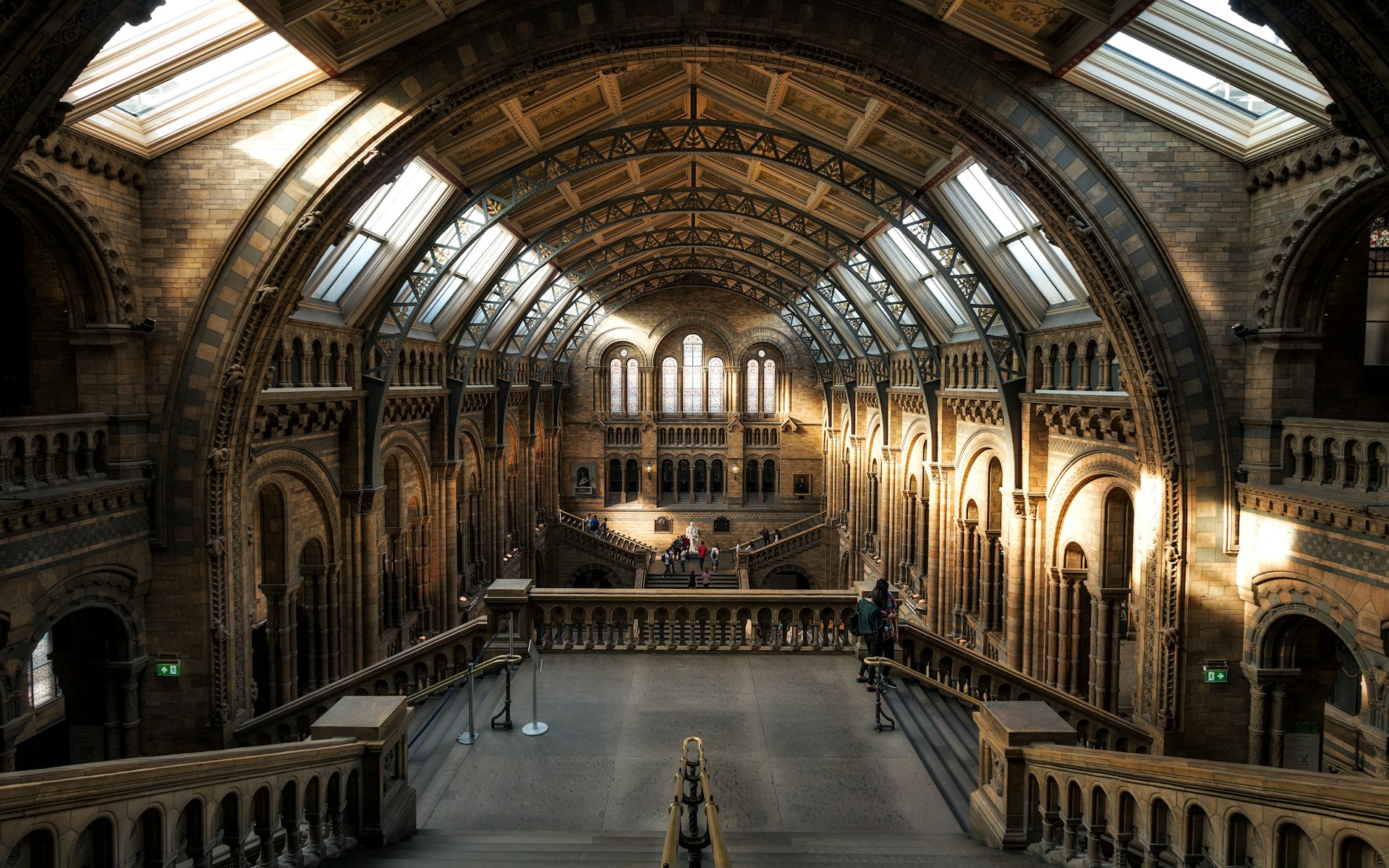
Working on ventilation within historic and listed buildings often means balancing two competing needs. On one side, there is the requirement to improve comfort and air movement for modern use. On the other, there are strict constraints around preserving original features, materials, and structure. In practice, this shapes every decision from how air is distributed to where equipment can be fixed.
Why is ventilation challenging in historic and listed buildings?
Many older buildings were not designed with modern ventilation in mind. Ceiling voids are often limited or do not exist at all, and structural elements such as timber beams or stone arches can restrict routing options. There may also be limits on drilling or fixing into walls and ceilings, particularly where original materials must be preserved.
This means ventilation systems often need to work around the building rather than through it. Routes are planned carefully to avoid sensitive areas, and decisions are often reviewed with conservation officers before any installation begins. In practice, this can extend timelines and require a more considered approach to design.
How does fabric ducting adapt to irregular building layouts?
Fabric ducting can be easier to route through complex spaces compared to rigid metal systems. In buildings where straight runs are not possible, the ducting can follow the line of the structure, working around beams or changes in ceiling height.
This flexibility reduces the need for alterations to the building itself. Rather than modifying structural elements to fit a system, the system can be shaped to suit the existing environment. This approach is often more acceptable in listed buildings, where reversibility and minimal intervention are key considerations.
What practical benefits does lighter ducting provide?
Weight can be a limiting factor in older buildings, particularly in roof spaces or timber-framed areas. Fabric ducting is lighter than comparable metal systems, which can make a difference when assessing load limits.
In practice, this can simplify installation. Smaller teams can handle the ducting without heavy lifting equipment, and existing support points may be used without reinforcement. This reduces both the physical impact on the building and the time spent on site.
How is air distributed effectively in large historic spaces?
Historic buildings often include large, open areas such as halls, churches, or converted industrial units. These spaces can be difficult to heat or cool evenly, leading to noticeable temperature differences between areas.
Fabric ducting can be designed with specific outlet patterns along its length. This allows air flow to be introduced gradually rather than from a single point. In practice, this can help create a more even temperature across the space, reducing cold spots near walls and limiting overheating in central areas.
How is visual impact managed in sensitive interiors?
When ducting is installed in visible areas, its appearance becomes part of the interior. This is particularly important in historic buildings, where visual changes can affect the character of the space.
Fabric ducting can be specified in colours and designs that sit within the existing palette. Positioning is also considered carefully, often aligning with architectural features so the ducting feels integrated rather than added on. These decisions are usually made early in the design process to avoid conflicts later on.
What does maintenance look like in practice?
Ongoing fabric duct maintenance needs to be planned from the outset, especially in buildings that remain in regular use. Fabric ducting can typically be removed in sections and cleaned off-site, which helps avoid disruption within the building.
Access points are usually considered during installation so that removal can be carried out without difficulty. This is particularly useful in sensitive environments where prolonged on-site work may not be practical.
How do conservation requirements influence design decisions?
Every intervention in a listed building is subject to approval, and ventilation systems are no exception. Fire safety standards, conservation guidance, and the need for reversible changes all play a role in shaping the final design.
In practice, this often involves working closely with conservation officers and building managers. Small adjustments may be made to routes or fixing methods to avoid affecting original features. The aim is to improve air movement while respecting the building’s historic value.
Ultimately, fabric ducting offers a way to work within these constraints. By adapting to the structure rather than requiring significant changes, it allows ventilation improvements to be introduced in a way that aligns with the building’s limitations.
FAQs
Is fabric ducting suitable for all listed buildings?
It depends on the building and its restrictions. Some sites may still require alternative solutions, but fabric ducting can be considered where minimal structural impact is needed.
Does fabric ducting affect the appearance of historic interiors?
It can be designed to blend into the space. Colour and positioning are usually chosen to reduce visual impact.
How is fabric ducting installed without damaging the structure?
Installations often use existing fixing points or non-invasive methods agreed with conservation officers to avoid permanent changes.
Can fabric ducting handle both heating and cooling?
Yes, it can distribute both warm and cool air, depending on how the system is designed.
How is cleaning managed in sensitive buildings?
Sections of ducting can typically be removed and cleaned off-site, which helps to reduce disruption and avoids working directly on delicate interiors.
Looking for more information?
Our experts are on hand to answer any questions. Why not give us a call or drop us a message, We’ll work with you to find the right solution.
Contact us
