
Why Fabric Air Diffusers Are the Perfect Choice for Warehouse Ventilation

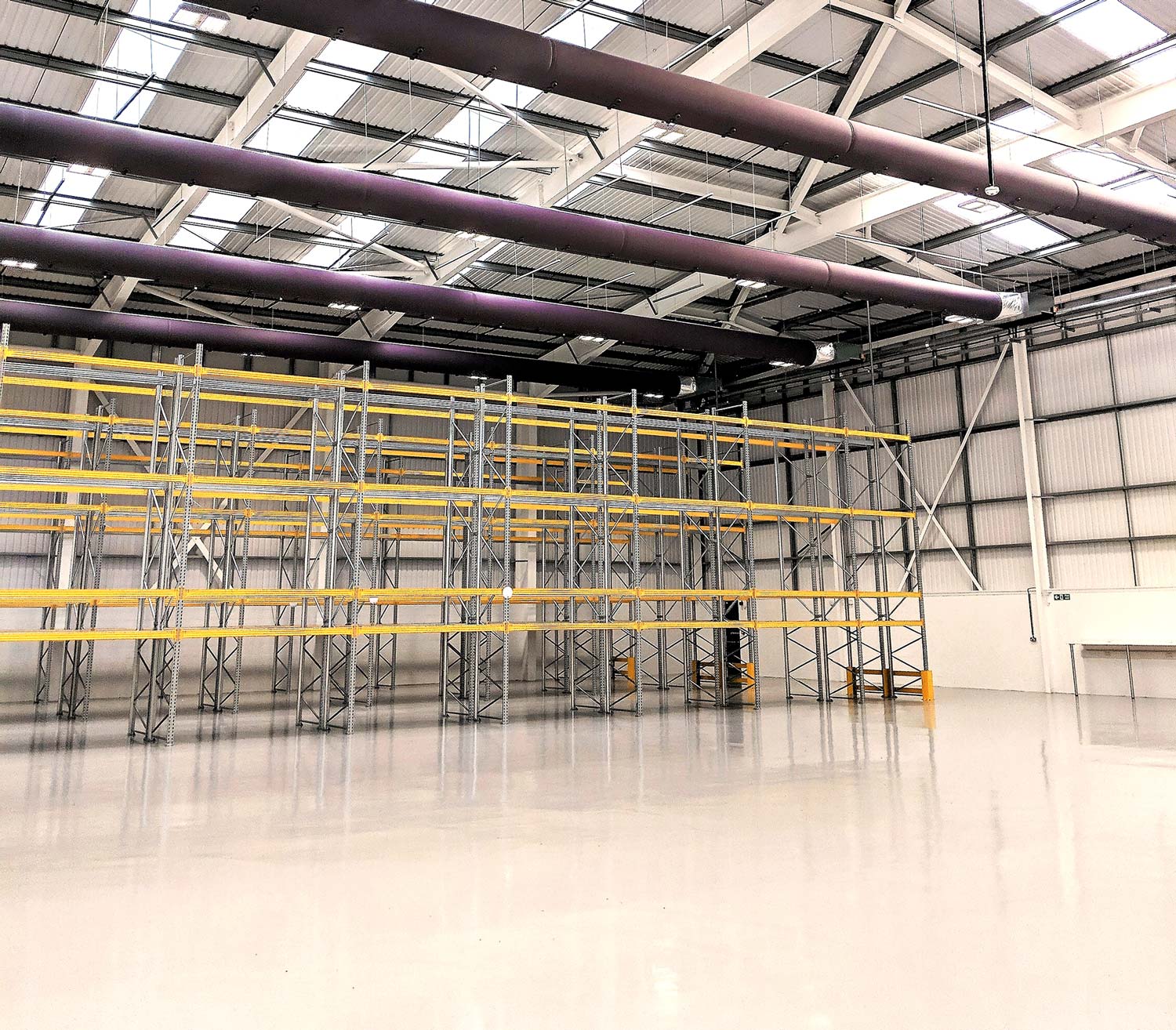
Warehouses present a unique challenge when it comes to airflow. These large, open spaces often contain high ceilings, tall racking, and constantly changing temperature zones. Traditional metal ducting can struggle to distribute air evenly across such varied layouts, leading to pockets of stagnant air, uncomfortable working conditions, and uneven heating or cooling.
Fabric air diffusers provide a practical and modern solution. Their ability to deliver consistent, controlled airflow makes them particularly suited to warehouses, where comfort, efficiency, and air quality all matter. As businesses look for smarter ways to manage their indoor environment, fabric ducting has become an increasingly popular choice within industrial ventilation design.
Do fabric ducts provide even and consistent air distribution?
One of the biggest advantages of fabric diffusers is the bespoke nature of the design, each system being engineered and manufactured uniquely for its space, so that height, racking, work stations and any other aspect of the building can be considered and incorporated into the design.
An understanding of different diffuser types and their entrainment characteristics enables designers to create a mixed, high-volume, low-velocity air distribution pattern, helping eliminate draughts, prevent hot and cold spots, and improve overall thermal comfort for staff. In warehouses where workers may be spread across aisles, packing stations, or production areas, this consistency makes a clear difference. It also helps protect temperature-sensitive goods by reducing fluctuations in different corners of the building.
In traditional industrial ventilation system design, maintaining uniform airflow across large spaces can be difficult. Fabric diffusers overcome this challenge by creating a smooth, balanced air pattern that reaches every part of the warehouse.
Do fabric ducts improve air quality and circulation?
Warehouses can accumulate dust, fumes, and airborne particles from machinery, vehicles, and stored materials. Poor airflow can allow these particles to linger, which reduces air quality and increases the risk of breathing discomfort.
Fabric diffusers promote healthy air movement by encouraging continuous circulation. Their design allows for high volume, low velocity airflow, which gently mixes fresh air throughout the warehouse without stirring up dust. The result is a cleaner and more pleasant environment that supports worker wellbeing.
Because fabric ducts are lightweight and easy to maintain, they can also be cleaned more frequently than traditional metal systems. This is particularly useful in industries where hygiene and air purity are essential.
Can fabric ducts adapt to evolving layouts?
Warehouses are rarely static. Racking may be rearranged, production lines may expand, and seasonal stock changes may alter airflow needs. Fabric ducting is well suited to this kind of environment because it is flexible and simple to reposition.
If a new layout is introduced, the ducting can be adjusted or extended without major disruption. This is a clear advantage over rigid metal ducts, which can be difficult and costly to modify once installed.
This adaptability also supports long term planning in industrial ventilation design, allowing warehouses to evolve without requiring an entirely new system each time the floor plan changes.
Are fabric diffusers energy efficient?
Another reason fabric diffusers are ideal for warehouse ventilation is their energy efficiency. Because airflow is evenly distributed, heating and cooling systems do not need to work as hard to maintain a stable temperature. This can lead to significant savings on energy bills, particularly in warehouses that operate around the clock.
Fabric ducts are also naturally lightweight, which reduces the load on mounting structures and makes installation faster and more cost effective. Their ability to improve the performance of existing HVAC systems further supports long term efficiency.
Do fabric ducts reduce noise pollution?
Warehouses can be noisy environments. Machinery, vehicles, and general activity all contribute to high sound levels. Metal ducting often adds to this through airflow noise and vibration. Fabric diffusers help reduce this issue because the material absorbs sound rather than amplifying it.
The quiet operation of fabric systems creates a calmer working environment, which supports concentration and reduces fatigue for staff.
A practical and modern approach to warehouse ventilation
Good airflow is essential in warehouse ventilation, not only for temperature control but also for safety, comfort, and efficiency. Fabric air diffusers provide a simple, effective way to meet these needs. Their balanced airflow, low maintenance requirements, and adaptability make them an ideal solution for modern warehouses of all sizes.
Their suitability extends across various industries, from logistics to manufacturing, where reliable airflow is vital for staff wellbeing and equipment performance. When combined with thoughtful industrial ventilation system design, fabric diffusers help create spaces that are healthier, more stable, and more efficient to operate.
Warehouses benefit most from ventilation systems that can adapt as demands change. Fabric air diffusers offer that flexibility while maintaining high quality airflow throughout the building. As businesses continue to seek smarter and more sustainable solutions, they remain a practical choice that balances performance with long term value.
Looking for more information?
Our experts are on hand to answer any questions. Why not give us a call or drop us a message, We’ll work with you to find the right solution.
Contact us
