
How Air Distribution Affects Noise Levels in Commercial Buildings

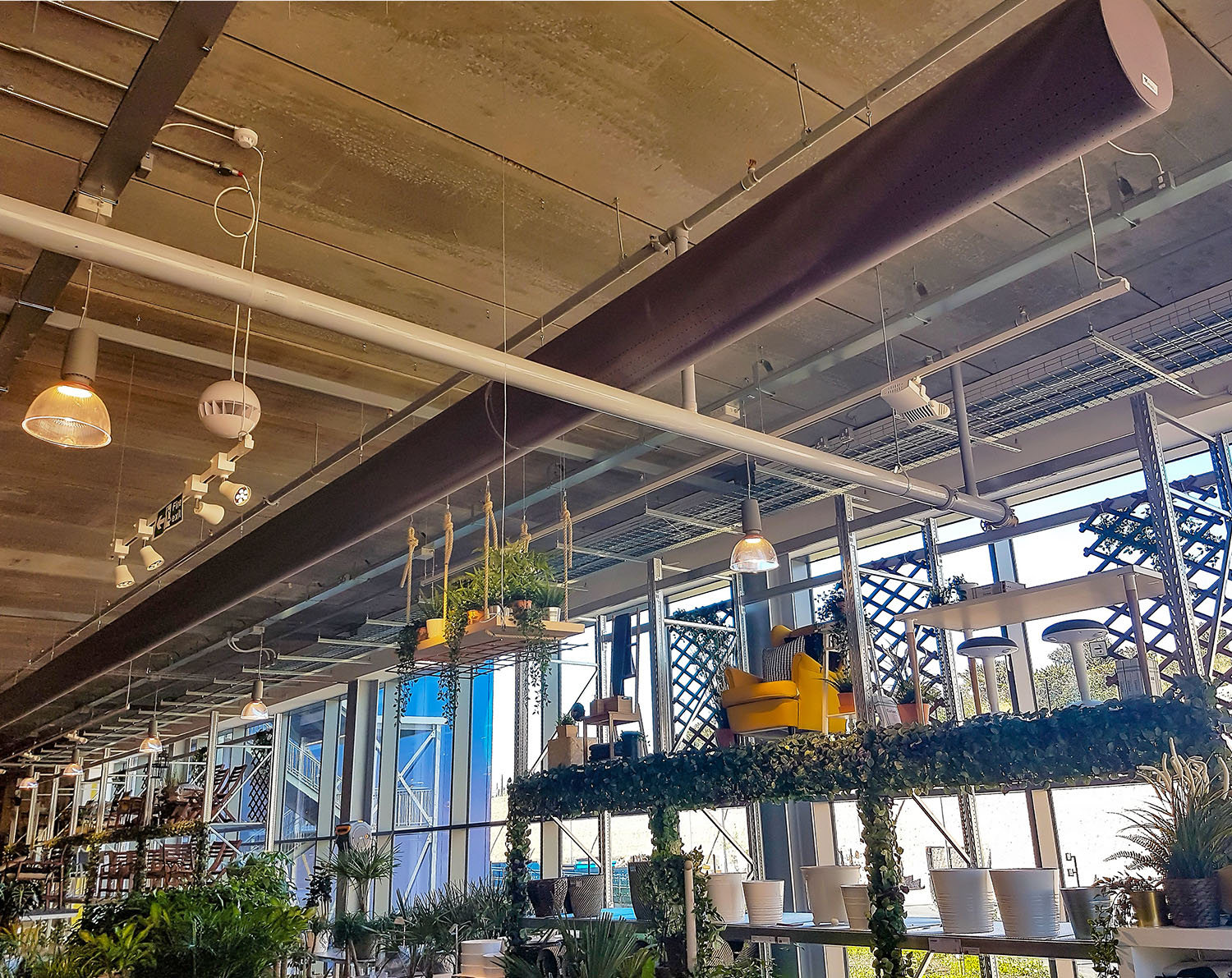
When people think about noise in commercial buildings, they often focus on conversations, office equipment or external traffic. However, heating, ventilation and air conditioning systems can also have a significant influence on how comfortable a space feels. Air distribution plays an important role in this, affecting not only temperature but also the level of background noise experienced by the people using the building.
Whether in an office, school, retail environment or industrial facility, thoughtful ventilation design can help create spaces that are quieter and more comfortable to work in.
Why does air distribution create noise?
Moving air naturally generates sound. As air travels through ductwork, bends around corners and exits through vents, it creates turbulence. If air is forced through small openings at high speed, this turbulence becomes more noticeable and can produce the familiar rushing or whistling sounds heard in some buildings.
Fans and mechanical equipment also contribute to background noise, but the way air is distributed throughout the building can either reduce or amplify these sounds.
When ventilation systems are designed to deliver air evenly, they often require lower air velocities, helping to reduce the noise produced during normal operation.
How does poor air distribution affect occupants?
Noise may seem like a small issue, but over time it can influence how people experience a building. In offices, constant background noise can make conversations more difficult and reduce concentration during tasks that require focus. In classrooms, excessive ventilation noise may affect speech clarity, making it harder for students to hear teachers clearly.
Healthcare environments, meeting rooms and hospitality settings also benefit from quieter ventilation systems, as lower background noise can contribute to a calmer and more comfortable atmosphere.
Air distribution therefore affects more than temperature. It influences how people communicate, concentrate and feel within a space throughout the day.
How can fabric ducting help reduce noise?
One approach to improving acoustic comfort is using fabric ducting systems. Unlike some traditional metal ductwork, fabric ducting distributes air through carefully designed perforations or permeable materials across a larger surface area. This allows air to enter the room more gently rather than being concentrated through a limited number of grilles or diffusers.
Because the airflow is spread more evenly, lower discharge velocities can often be achieved, helping to reduce the rushing sounds sometimes associated with conventional air outlets.
Fabric itself may also help minimise vibration within the distribution system, further contributing to a quieter indoor environment in suitable applications.
Why is airflow balance just as important?
Reducing noise is not simply about slowing the airflow. Ventilation systems must still deliver enough conditioned air to maintain comfortable temperatures and good indoor air quality.
Designers therefore aim to balance airflow rates with acoustic performance. The size of the space, ceiling height, occupancy levels and intended use all influence how air should be distributed.
For example, a busy warehouse, a classroom and an office meeting room each have different ventilation requirements and different expectations for acceptable background noise.
Considering these factors during the design stage helps ensure that comfort and performance work together rather than competing with one another.
What should building owners consider?
When planning a new ventilation system or upgrading an existing one, it is worth considering acoustic comfort alongside heating and cooling performance.
Questions about airflow patterns, diffuser locations, duct design and occupancy can all influence how quiet a system feels once it is in operation. Looking beyond airflow capacity alone often leads to better long-term results for the people using the building every day.
A well-designed air distribution system supports comfortable temperatures while helping create quieter indoor environments where people can work, learn and collaborate more effectively.
FAQs
Why do ventilation systems make noise?
Noise is created as air moves through ductwork and exits into occupied spaces. Higher air speeds and turbulence generally produce more noticeable sound.
Can air distribution affect workplace comfort?
Yes. Even when temperatures are comfortable, excessive background noise from ventilation can affect concentration, communication and the overall experience of a building.
How can fabric ducting reduce noise?
Fabric ducting distributes air more evenly across a larger surface area, which can allow lower air velocities and help reduce the rushing sounds associated with some traditional air outlets.
Does quieter airflow mean less effective ventilation?
Not necessarily. A well-designed ventilation system aims to balance airflow performance with acoustic comfort, ensuring the building remains both comfortable and properly ventilated.
Which types of buildings benefit from quieter air distribution?
Offices, schools, healthcare facilities, retail environments, leisure facilities and many industrial buildings can all benefit from ventilation systems that help minimise unnecessary background noise.
Looking for more information?
Our experts are on hand to answer any questions. Why not give us a call or drop us a message, We’ll work with you to find the right solution.
Contact us
