
How Does Fabric Ducting Improve Indoor Air Quality for Gym Spaces?

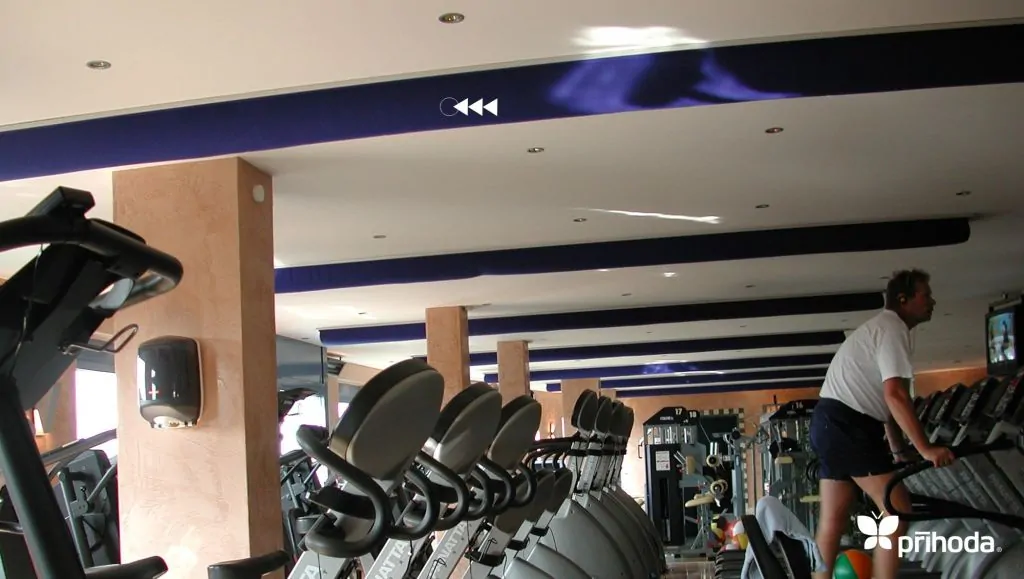
Walk into a busy gym at peak time and you’ll quickly notice how different the air feels compared to a quiet office. Body heat rises, humidity builds, and odours can linger if ventilation is not well managed. In fitness environments, air quality not only affects comfort, but also performance, hygiene, and how long people choose to stay in the space.
Fabric ducting has become a popular gym ventilation option because of how it distributes air and how it responds to the practical demands of these environments.
How is air distributed across larger indoor spaces?
Gyms often have open layouts with high ceilings. Traditional metal duct systems can struggle to distribute air evenly across such spaces. Air may be concentrated in certain zones, leaving other areas feeling stale or stuffy.
Fabric ducting works differently. Air is delivered along the length of the duct through small perforations or specially designed outlets. This creates a more uniform spread of fresh air across the workout floor.
In practice, this means fewer hot spots and fewer areas where air feels heavy. Members using treadmills, free weights, or group training areas experience a more consistent environment.
How does fabric ducting handle humidity and odour?
Exercise increases breathing rates and body temperature. As more people work out at the same time, moisture and carbon dioxide levels rise. Without effective ventilation, humidity can remain trapped in the space, leading to condensation and persistent odours.
Fabric ducting supports steady airflow, helping to remove humid air and replace it with fresh supply air. By encouraging regular air movement across the entire space, it reduces the likelihood of pockets of stale air forming.
This has a direct impact on perceived cleanliness. Even when cleaning routines are strong, poor airflow can undermine the overall experience.
Can fabric ducts improve condensation?
High ceilings in sports halls and gym studios can create temperature differences between floor level and roof level. Warm, moist air rises and may condense on cooler surfaces above.
Fabric ducting can be designed to introduce air in a way that mixes temperatures more effectively. This reduces the temperature gap between high and low points in the room. Over time, this can help minimise condensation and the potential for damp related issues.
Do fabric ducts improve noise levels?
Noise levels matter in gyms. Music, instructor voices, and equipment all contribute to background sound. Ventilation systems that add excessive noise can make the space feel harsher.
Fabric ducting systems are generally quieter because air is diffused gently rather than forced through rigid vents. This softer delivery can help maintain a comfortable acoustic environment while still providing adequate ventilation.
Is ventilation easier to maintain?
Fabric ducting can be removed and washed, which is particularly useful in high traffic environments such as gyms. Over time, dust and particles can accumulate in any ventilation system. Being able to clean ducting more easily supports ongoing air quality management.
Regular maintenance helps ensure airflow remains consistent and hygienic, especially in spaces where high respiratory output is part of everyday activity.
Good indoor air quality in gyms is not achieved through a single feature. It comes from balanced airflow, appropriate temperature control, and regular maintenance. Fabric ducting contributes by delivering air evenly, reducing humidity build up, and supporting cleaner ceiling spaces.
For gym operators, this can translate into a more comfortable environment. For members, it often means fresher air during workouts and a more pleasant overall experience.
FAQs
Why is ventilation important in gyms?
Because high activity levels increase humidity and carbon dioxide, which can affect comfort and hygiene.
How does fabric ducting distribute air differently?
It releases air along its length, creating a more even spread across large spaces.
Can fabric ducting help reduce condensation?
Yes, by improving air mixing and reducing temperature differences within the room.
Is fabric ducting noisy?
It typically delivers air more gently, which can result in quieter operation.
How is fabric ducting maintained?
Sections can often be removed and washed, helping maintain cleanliness and airflow performance.
Looking for more information?
Our experts are on hand to answer any questions. Why not give us a call or drop us a message, We’ll work with you to find the right solution.
Contact us
