
How Long do Fabric Duct Systems Last?

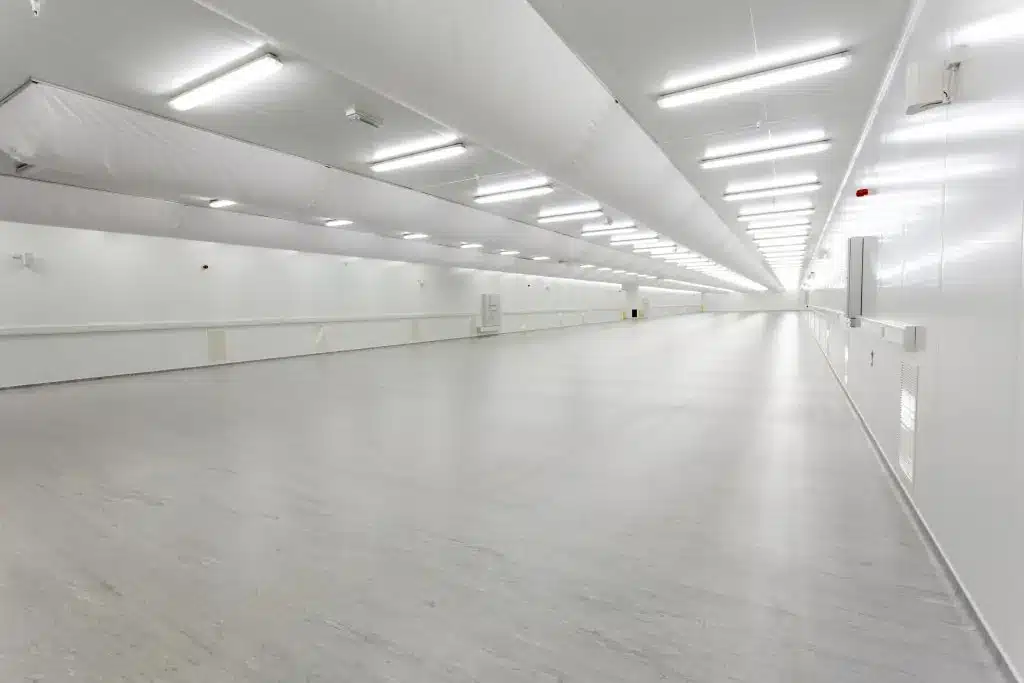
Fabric duct systems are often chosen because they are lightweight, easy to handle, and suited to spaces where air needs to be distributed evenly across large areas. In supermarkets, schools, warehouses, sports halls, and production facilities, they are expected to work continuously for years at a time.
The lifespan of a fabric duct system depends less on a fixed number of years and more on how the system is used, maintained, and installed. In many commercial environments, a well-maintained system can remain in good working condition for well over a decade.
What affects the lifespan of a fabric duct system?
The environment usually has the biggest impact. A fabric duct installed in a clean office or retail setting will generally experience less wear than one operating inside a busy food production plant or industrial facility.
Air quality also plays a part. Systems handling grease, dust, moisture, or chemical particles tend to require more regular cleaning and inspection.
Temperature can influence lifespan too. Fabric ducting used for cooled air in supermarkets or warm air in warehouses is designed to cope with constant airflow, but repeated exposure to extreme temperatures may shorten the service life of certain materials if the wrong specification is chosen at the start.
How important is regular cleaning?
Cleaning and maintenance have a direct effect on how long fabric duct systems last in practice. One of the advantages of Prihoda fabric ducting is that sections can be removed and washed, helping to maintain airflow performance and hygiene standards.
In spaces such as gyms, food facilities, or educational buildings, cleaning schedules are often built into wider maintenance programmes. Dust and dirt build-up can gradually affect airflow patterns in some cases and place extra strain on ventilation systems if left unchecked.
Regular washing also helps teams spot smaller issues early, such as minor tears or worn fasteners. Problems identified during routine maintenance are normally easier and cheaper to resolve than damage left unnoticed for several years.
Can installation quality shorten system life?
Installation standards make a noticeable difference over time. Poorly tensioned systems may sag, move excessively, or place stress on fixing points. Incorrect airflow calculations can also create uneven pressure inside the duct, which can affect performance and increase wear.
In practice, many long-lasting systems benefit from fairly straightforward planning decisions made early in the project. Choosing the correct fabric type, suspension method, and airflow design often prevents avoidable maintenance issues later on.
Buildings themselves can also change over time. Warehouse layouts, machinery positions, and occupancy levels may evolve, which can alter how the ventilation system performs compared to the original design.
What signs suggest a fabric duct system may need replacing?
Fabric duct systems rarely fail without warning. More often, there are gradual signs that the system is reaching the end of its useful life.
Common examples include visible wear around seams, tearing, or fading caused by long-term exposure to UV light. Persistent airflow inconsistencies after cleaning and maintenance can also point towards ageing materials.
In most cases, replacement happens because building requirements have changed rather than because of the age of the fabric ducts. Expanding production areas, revised hygiene standards, or upgraded HVAC equipment may all lead to a new duct specification being installed.
Why do some fabric duct systems last longer than others?
Longevity usually comes down to a combination of specification, environment, and maintenance habits. Systems designed specifically for the conditions inside the building often remain reliable for longer periods.
Facilities that follow consistent cleaning schedules and carry out occasional inspections tend to avoid many of the problems associated with premature wear. Equally, systems operating in stable indoor environments generally experience less stress than those exposed to demanding industrial conditions every day.
A fabric duct system can easily last a decade or more. However, like most parts of a building’s ventilation setup, its lifespan is shaped by how it is looked after once installed.
FAQs
How long does a fabric duct system typically last?
Many systems remain operational for well over 10 years, although lifespan varies depending on the environment, maintenance, and system specification.
Do fabric ducts need regular cleaning?
It depends. Some applications (eg food factories) require regular cleaning due to increased hygiene standards. In other cases, regular cleaning is recommended if most of the air will be supplied through microperforations, which can block over time in dusty environments.
Can damaged fabric ducting be repaired?
Minor tears or worn sections can often be repaired or replaced individually, depending on the condition of the system.
What environments place the most strain on fabric duct systems?
Industrial facilities, food production sites, and areas with high dust, grease, or moisture levels tend to create more demanding conditions.
Does poor installation affect lifespan?
Yes. Incorrect tensioning, unsuitable materials, or airflow design issues can lead to premature wear and reduced system performance over time.
Looking for more information?
Our experts are on hand to answer any questions. Why not give us a call or drop us a message, We’ll work with you to find the right solution.
Contact us
