
A Guide to Fire Safety Standards in Fabric Ducting

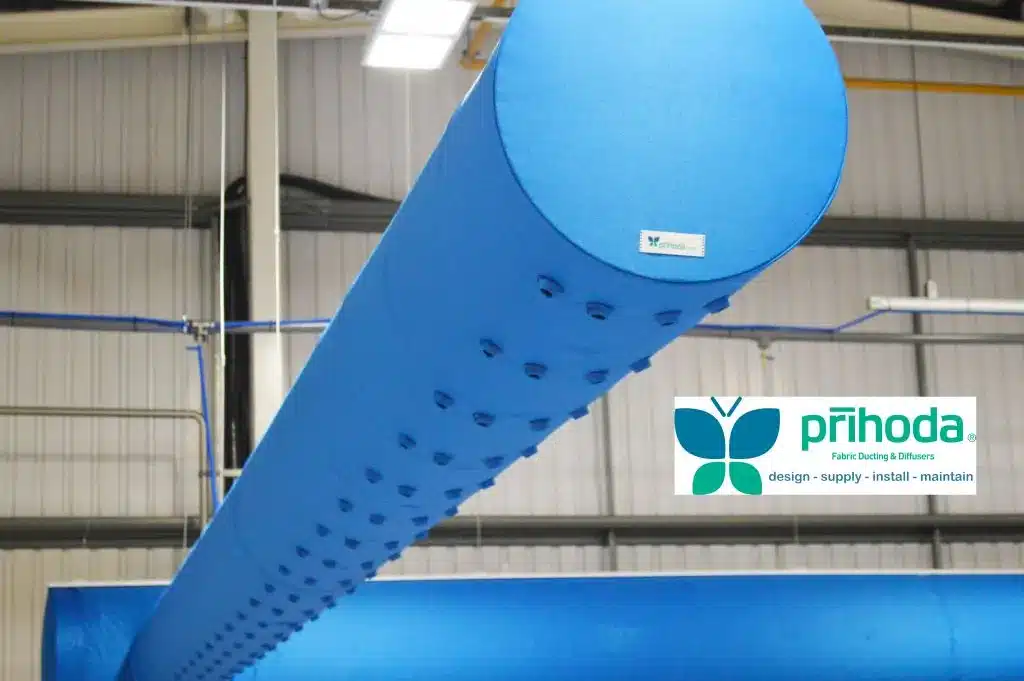
When deciding on a ventilation system for a commercial space or an industrial space, fire safety is a factor that must be considered. Heating and cooling equipment must meet strict safety requirements, and air distribution systems are no exception. As more organisations choose fabric ducting for its efficiency, comfort, and adaptability, understanding the fire safety standards behind these systems becomes essential.
Fabric based ventilation systems have a different structure from traditional metal ducting, which means the safety testing, certification, and performance requirements follow their own criteria. In the article below, we will explore the key standards, what they mean in practice, and why high-quality testing is vital when choosing fabric ductwork for your building.
Why does fire safety matter in ventilation?
Ventilation systems distribute air around a building, so if a fire starts, the ducts may be exposed to heat, smoke, and flames. In poorly tested systems, fabric can ignite, melt, or release harmful fumes. A compliant system is designed to minimise fire spread and ensure the materials behave predictably under extreme conditions.
Because fabric ducting is lightweight and flexible, users sometimes assume it is less resilient than traditional metal ducts. In reality, reputable fabric systems are engineered with fire safe materials, tested under regulated conditions, and designed to perform safely even in demanding environments like factories, kitchens, warehouses, and schools.
What are fabric ducting fire classifications?
Fire safety for textiles used in buildings is usually assessed under European and international standards. The most widely used is the EN 13501-1 classification, which measures reaction to fire. Tests assess flame behaviour, smoke production, and whether burning droplets occur.
Most high-quality fabric ductwork falls into category B for fire classification. This class indicates low flammability and controlled smoke production, which is essential for buildings that require strong fire safety performance.
Our manufacturers also test materials for compliance with specific national regulations. For example, fabric used in public buildings is often required to meet strict standards so that, in the event of a fire, the material does not contribute to rapid flame spread.
How important is low smoke and low toxicity?
In a fire, smoke is often more dangerous than flames. It reduces visibility, irritates the respiratory system, and can hamper evacuation. Low smoke production is therefore a key requirement in ventilation materials.
High-quality fabric ventilation systems are designed to limit smoke output in the event of a fire. They should not release highly toxic gases or produce thick black smoke. This is especially important in places such as schools, sports halls, offices, and healthcare settings where safe evacuation relies on clear visibility and breathable air.
How does fabric ducting design support fire safety?
Fire safe fabric ductwork is not only about the material itself. The way the system is designed and installed plays an important role. Good design takes into account airflow patterns, heat exposure, and building layout.
Fabric systems are usually installed away from heat sources like cookers or industrial machinery. They can be suspended at safe distances from light fittings or heaters. Prihoda fabrics have a d0 rating, meaning that they will not melt or create flaming droplets, which can cause secondary fires below.
In the event of a fire, fabric ducts do not behave like metal ducts. They collapse rather than holding their shape and acting as a channel for flames. This collapse can help stop the spread of fire within the ventilation system.
How are fabric ducts maintained?
Regular cleaning helps keep ventilation systems safe. Dust, fibres, or grease can increase fire risks across all types of ducting. One of the benefits of fabric ducting is that Prihoda systems can be unzipped and washed in standard washing machines. This ensures the ducts remain clean, hygienic, and free from the contaminants that may contribute to fire hazards.
Well maintained systems are also more efficient, as dust build-up can reduce airflow and strain heating or cooling equipment.
How to choose compliant systems
When selecting fabric ducting, it is important to check the manufacturer’s fire safety certifications. Look for evidence of testing under EN 13501-1 or equivalent standards, and request documentation if needed.
Buildings with specific fire safety requirements, such as public venues, food production sites, or facilities with high occupancy, should ensure that their chosen system is suited to the expected environment. Consulting with our team at Prihoda can help to ensure that both safety and performance are properly matched to your needs.
How do fabric ducts create safer indoor environments?
Fire safe ventilation is not only a legal requirement but a responsibility. Building managers, architects, and engineers all play a part in choosing systems that support both comfort and safety. With tested materials, thoughtful design, and proper maintenance, fabric ductwork provides a reliable and efficient solution that performs well in modern buildings while meeting strict safety expectations.
By understanding fire safety classifications and choosing certified products, businesses can ensure their fabric ventilation systems contribute to a safe, healthy indoor environment for years to come.
Looking for more information?
Our experts are on hand to answer any questions. Why not give us a call or drop us a message, We’ll work with you to find the right solution.
Contact us
