
Fabric Ducting Ventilation Systems for Indoor Farms

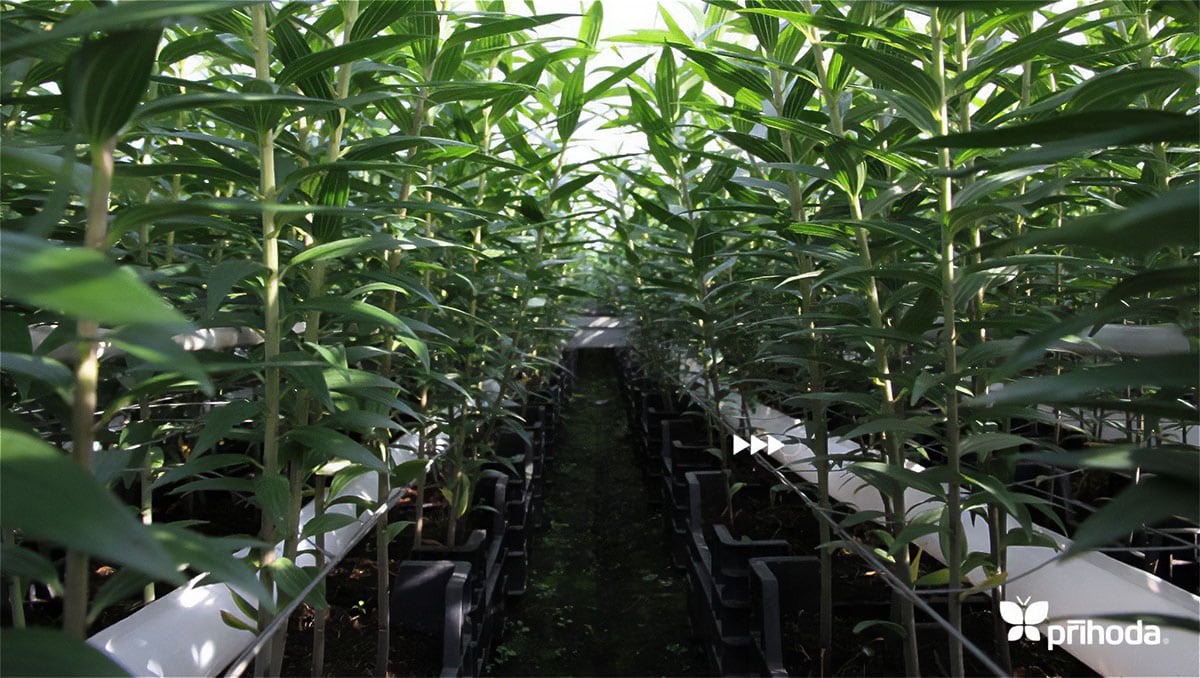
Indoor farming environments rely heavily on consistency. Whether you’re growing leafy greens or specialist crops, temperature, humidity, and airflow all influence how plants develop day to day. Ventilation systems are part of that balance, helping growers create stable conditions across growing areas that may operate around the clock.
As indoor farming continues to expand across the UK, many facilities are looking more closely at how air is delivered throughout the space. Fabric ducting systems have become increasingly common in these environments because they allow air to be distributed evenly without creating strong drafts or isolated hot and cold spots.
Why does airflow matter so much in indoor farming?
In practical terms, airflow affects more than comfort or temperature readings on a control panel. It directly influences plant health, moisture levels, and the consistency of growing conditions across shelves, benches, or vertical farming racks.
Poor airflow can allow humid pockets to develop around crops. Over time, this can increase the likelihood of mould, mildew, or condensation forming on leaves and nearby surfaces. Uneven temperatures can also slow growth in certain sections of the farm while other areas become warmer or drier than intended.
Indoor farms often use lighting systems that generate heat continuously. Without good air circulation, this heat can build up around the crop canopy. A well-designed ventilation setup helps move warm air away while introducing fresh conditioned air more evenly throughout the room.
How does fabric ducting distribute air differently?
Traditional metal ductwork usually pushes air through grilles or vents at fixed points. In indoor farming spaces, that can sometimes create concentrated streams of air that affect nearby plants differently from those further away.
Fabric ducting works in a slightly different way. The air is dispersed through perforations or breathable sections along the length of the duct. This allows air to enter the growing space more gradually and consistently.
In practice, this can help reduce sharp temperature changes between different areas of the room. Growers operating vertical farming systems or multi-level racking often find this useful because it helps maintain similar conditions across several growing tiers.
The lighter structure of fabric systems can also make them easier to install in buildings where ceiling space is limited or where layouts may change over time.
What challenges do indoor farms face with humidity?
Humidity management is one of the more difficult parts of running an indoor farm. Plants naturally release moisture into the air through transpiration, particularly in densely packed growing environments.
If moisture is not removed or controlled properly, condensation can build on walls, ceilings, lighting systems, and ductwork. This can affect crop quality as well as the air quality and wider environment inside the facility.
Indoor farming ventilation systems help to move humid air away from growing zones and support dehumidification strategies already in place. Consistent airflow also helps prevent still air collecting around crops, which is often where moisture problems first begin to appear.
Because fabric ducting spreads air more evenly, growers can often avoid sections of the room becoming noticeably damper than others.
How important is hygiene within ventilation systems?
Cleanliness is a major consideration in indoor agriculture, particularly for facilities producing food crops year-round.
One practical advantage of fabric ducting is that Prihoda systems can be removed and cleaned periodically for improved ventilation maintenance. In environments where hygiene procedures are strict, this can make ongoing maintenance more manageable compared with some fixed metal systems.
Dust, moisture, and organic particles can accumulate gradually within any ventilation setup. Regular inspection and cleaning routines help maintain airflow performance and reduce the risk of contamination spreading through the growing environment.
What should growers consider before choosing a ventilation system?
Every indoor farming facility operates differently. Factors such as crop type, lighting setup, ceiling height, humidity levels, and growing density all influence ventilation requirements.
A system designed for a leafy green vertical farm may operate very differently from one used in a hydroponic herb facility or a temperature-controlled propagation room.
For that reason, airflow planning usually works best when considered alongside the wider environmental strategy for the farm. Understanding how air moves through the space in day-to-day conditions often leads to more reliable long-term growing performance.
FAQs
What is fabric ducting used for in indoor farms?
Fabric ducting is used to distribute conditioned air evenly throughout indoor growing spaces to help control temperature, humidity, and airflow.
Can fabric ducting help reduce condensation?
Consistent airflow can help reduce areas of trapped moisture where condensation may otherwise develop.
Is fabric ducting suitable for vertical farming?
Yes, fabric ducting is commonly used in vertical farming because it can help provide more even airflow across multiple growing levels.
Can fabric ventilation systems be cleaned?
Many fabric ducting systems are designed to be removable and washable, which can support hygiene management within indoor farming environments.
Why is even airflow important for crops?
Uneven airflow can create temperature and humidity differences across the growing area, which may affect plant growth consistency and moisture control.
Looking for more information?
Our experts are on hand to answer any questions. Why not give us a call or drop us a message, We’ll work with you to find the right solution.
Contact us
